1
Power Quality and Measurement Interpretation Research
Measurement-focused analytical framework
Research on Energy Block Technology interprets changes in power quality
measurements not as simple compensation effects, but as the result of
current-component reconfiguration.
- Separation of non-active current components in non-sinusoidal environments
- Impact of harmonics and unbalanced currents on measurement values
- Structural characteristics of neutral-line and leakage-path currents
- Physical interpretation of reactive power and current measurement variations
This perspective provides academic differentiation by addressing measurement
normalization, a topic rarely explored in conventional power quality studies.
2
Structural Energy Control Concept Studies
Passive and structural control approach
Energy Block Technology is studied as a passive, structural control concept
that reorganizes internal current-flow structures, rather than relying on
active control or energy injection.
- Path separation mechanisms for abnormal current components
- Changes in system operating characteristics due to stabilized power flow
- Electrical safety structures independent of protective-device operation
- Stability evaluation under long-term operating conditions
This research framework is clearly distinguished from conventional APF, SVC,
and SVG approaches.
3
Field-Based Data Analysis Research
Empirical and measurement-driven studies
Research materials related to Energy Block Technology are primarily based on
real-world measurement data rather than purely theoretical analysis.
- Field data from industrial facilities and building power systems
- Before-and-after comparisons of current, voltage, and reactive power
- Analysis of system stability under long-term operation
- Verification of measurement reliability and reproducibility
These studies academically document phenomena observed in actual power
environments.
4
Electrical Safety and Preventive Research
Pre-stabilization safety perspective
Energy Block Technology is also studied in the field of electrical safety,
emphasizing preventive stabilization rather than disconnection-based responses.
- Interpretation of leakage currents and grounding potential differences
- Structural analysis of electric shock and fire risk factors
- Risk mitigation mechanisms prior to protective-device operation
- Expansion of electrical safety system design frameworks
This research area links power quality and electrical safety through a unified
current-structure analysis framework.
5
Academic Dissemination and Research Utilization
Publications and collaborative research
Research on Energy Block Technology is utilized and disseminated in the
following forms:
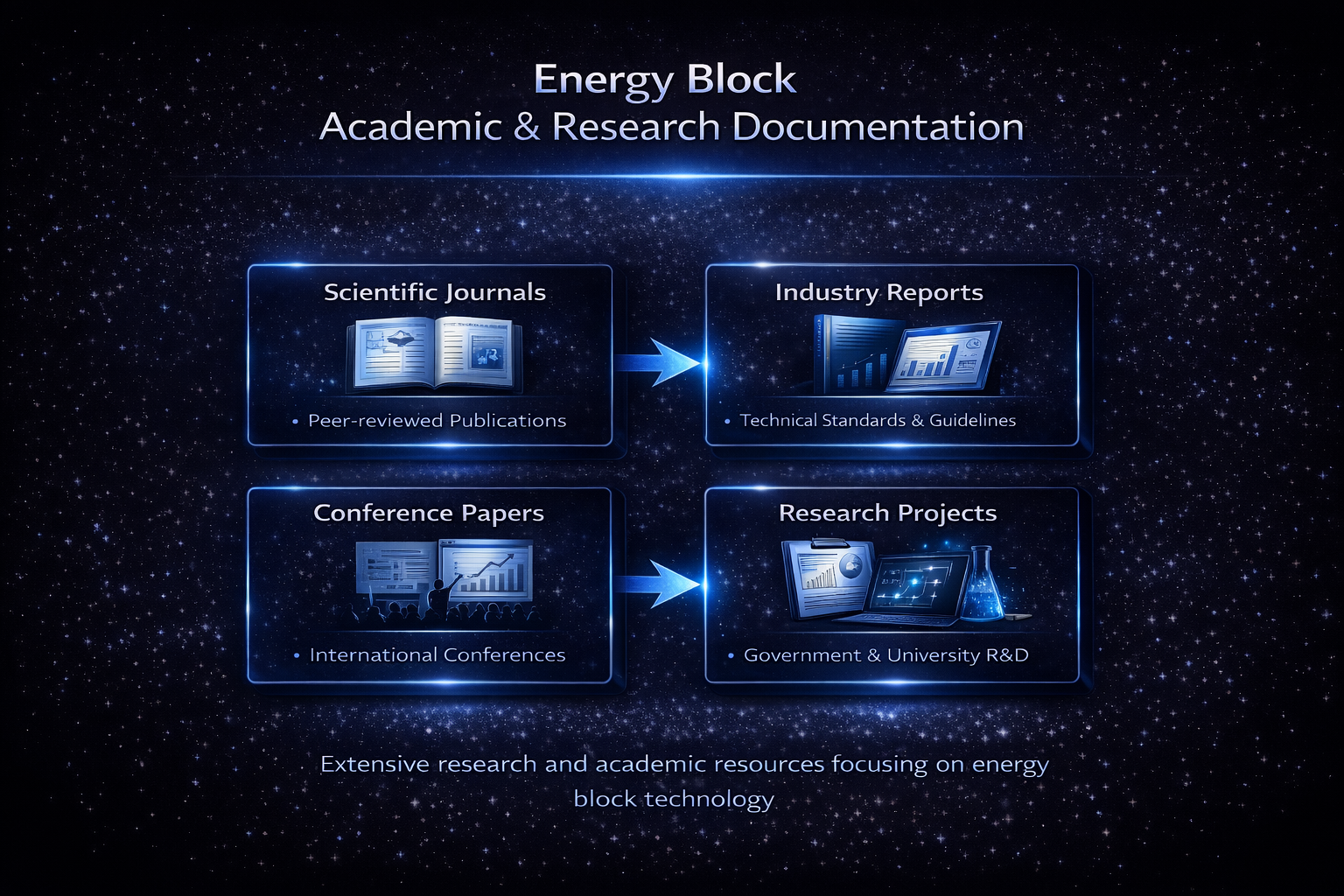
- Publications in SCI and SCIE journals
- Presentations at IEEE, IEC, and related international conferences
- Collaborative research in power systems and electrical safety fields
- Foundational materials for standards and guideline development
The primary objective of this research is not to validate specific products or
numerical performance values, but to explain abnormal current phenomena in
power systems from a new analytical perspective.